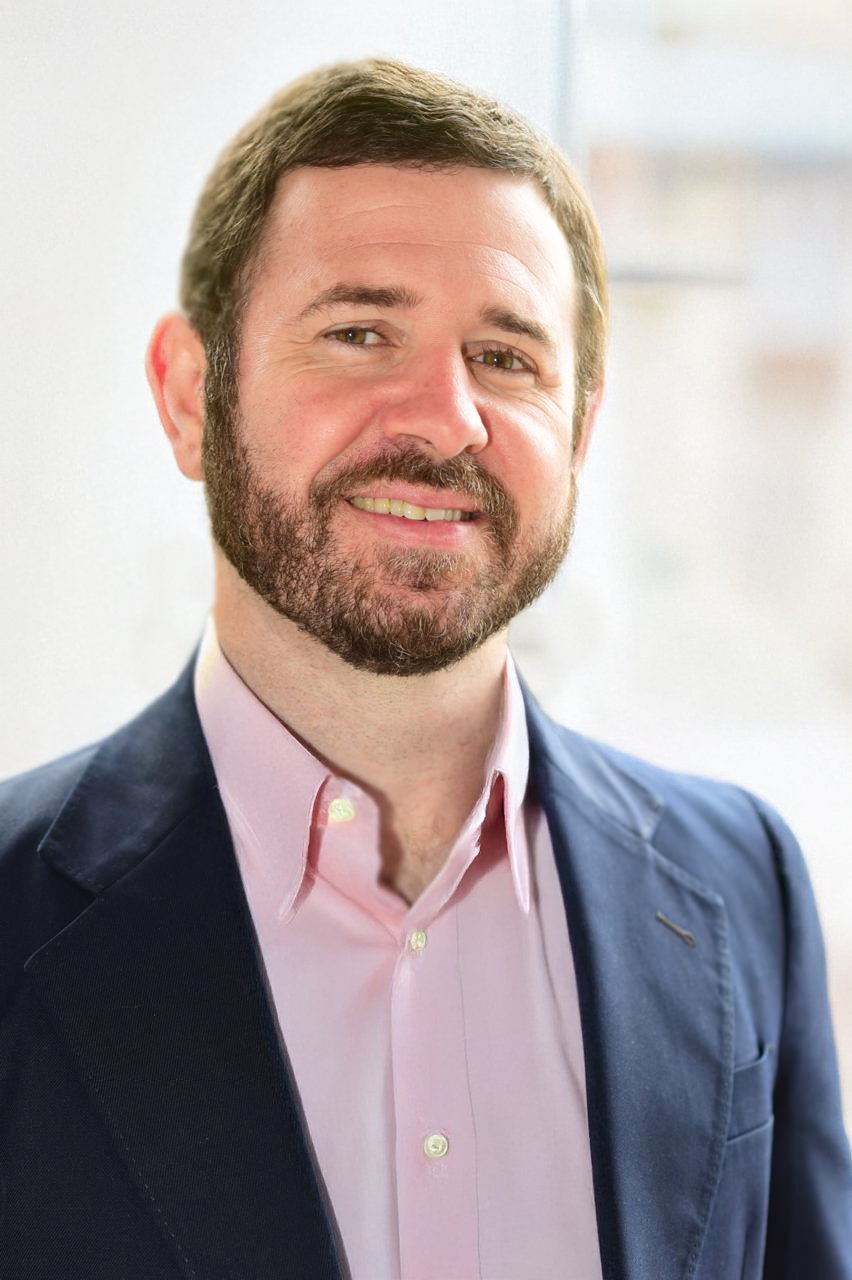
My Vision of Medicine

Commitment | Philosophy | Medical Ethics
Dr. Raphael Machado - Compassionate Medical Practice

Humanized Medicine


My decision to pursue medicine was not immediate.
I explored other academic fields before deliberately choosing
this calling, always fully aware of the profound
responsibilities that accompany it.

Caring for another human being is something truly special—unique.
Honesty regarding feelings and symptoms, absolute respect
for the patient's time, and a deep understanding of their anxieties
are the bedrock of this physician-patient relationship.

My Philosophy on Neurosurgery

From the moment a patient steps into the consultation room, listening is paramount. Deep attention to their medical history (anamnesis—from the Greek aná [recalling] and mnesis [memory]) is essential for gathering critical information that guides diagnostic decisions and surgical treatment.


Respect and genuine empathy for health concerns, as well as for underlying fears and insecurities, are vital to treating the whole person—not just the diagnosis.


No one ever anticipates needing to consult a central nervous system specialist. Recognizing this vulnerability shapes every interaction in my practice.

Navigating This Journey Together

A neurosurgeon must commit to lifelong learning, staying continuously abreast of medical research, international literature, and clinical data. This includes mastering the latest minimally invasive surgical techniques and maintaining an active, rigorous operative practice. Such technical mastery allows for thorough strategic planning, selecting the most effective procedure, and utilizing state-of-the-art technological resources.

However, technical mastery alone is not enough.

The doctor-patient relationship must be grounded in empathy, warmth, and genuine humanity. It is essential to understand the complete clinical and personal picture, providing clear, transparent, and compassionate guidance every step of the way.

Building a foundation of trust, supported by a dedicated multidisciplinary team, significantly improves therapeutic outcomes and offers patients and their families confidence and peace of mind throughout their care trajectory.

The Hippocratic Oath

The Hippocratic Oath is a solemn ethical pledge traditionally taken by physicians upon completing their medical education. It is historically attributed to Hippocrates—regarded as the father of Western medicine—or to his immediate disciples.


Originally written in Ionic Greek (in the 5th century BCE), the oath has evolved over the centuries. A classical version was recorded in Lausanne in 1771, while the modern official adaptation was adopted in 1948 as the Declaration of Geneva (Switzerland). It was subsequently revised by the World Medical Association (WMA) General Assemblies in 1968 (Venice), 1983 (Venice), 1994 (Stockholm), and most recently in October 2017 (Chicago).

The Physician's Pledge

(World Medical Association - WMA Declaration of Geneva, October 2017 Revision)


AS A MEMBER OF THE MEDICAL PROFESSION:

  • • SOLEMNLY PLEDGE to dedicate my life to the service of humanity;
  • • THE HEALTH AND WELL-BEING OF MY PATIENT will be my first consideration;
  • • I WILL RESPECT the autonomy and dignity of my patient;
  • • I WILL MAINTAIN the utmost respect for human life;
  • • I WILL NOT PERMIT considerations of age, disease or disability, creed, ethnic origin, gender, nationality, political affiliation, race, sexual orientation, social standing, or any other factor to intervene between my duty and my patient;
  • • I WILL RESPECT the secrets that are confided in me, even after the patient has died;
  • • I WILL PRACTISE my profession with conscience and dignity and in accordance with good medical practice;
  • • I WILL FOSTER the honour and noble traditions of the medical profession;
  • • I WILL GIVE to my teachers, colleagues, and students the respect and gratitude that is their due;
  • • I WILL SHARE my medical knowledge for the benefit of the patient and the advancement of healthcare;
  • • I WILL ATTEND TO my own health, well-being, and abilities in order to provide care of the highest standard;
  • • I WILL NOT USE my medical knowledge to violate human rights and civil liberties, even under threat; and
  • • I MAKE THESE PROMISES solemnly, freely, and upon my honour.